Drainage on the Gold Coast
- Call Now for Clear Advice & Fast Quotes
- Tight-Access Earthworks Specialists
- Experienced Operator Included
Tight-Access Specialists
Excavator + Experienced Operators
QBCC Licensed
Drainage That Stops the Wet Patches
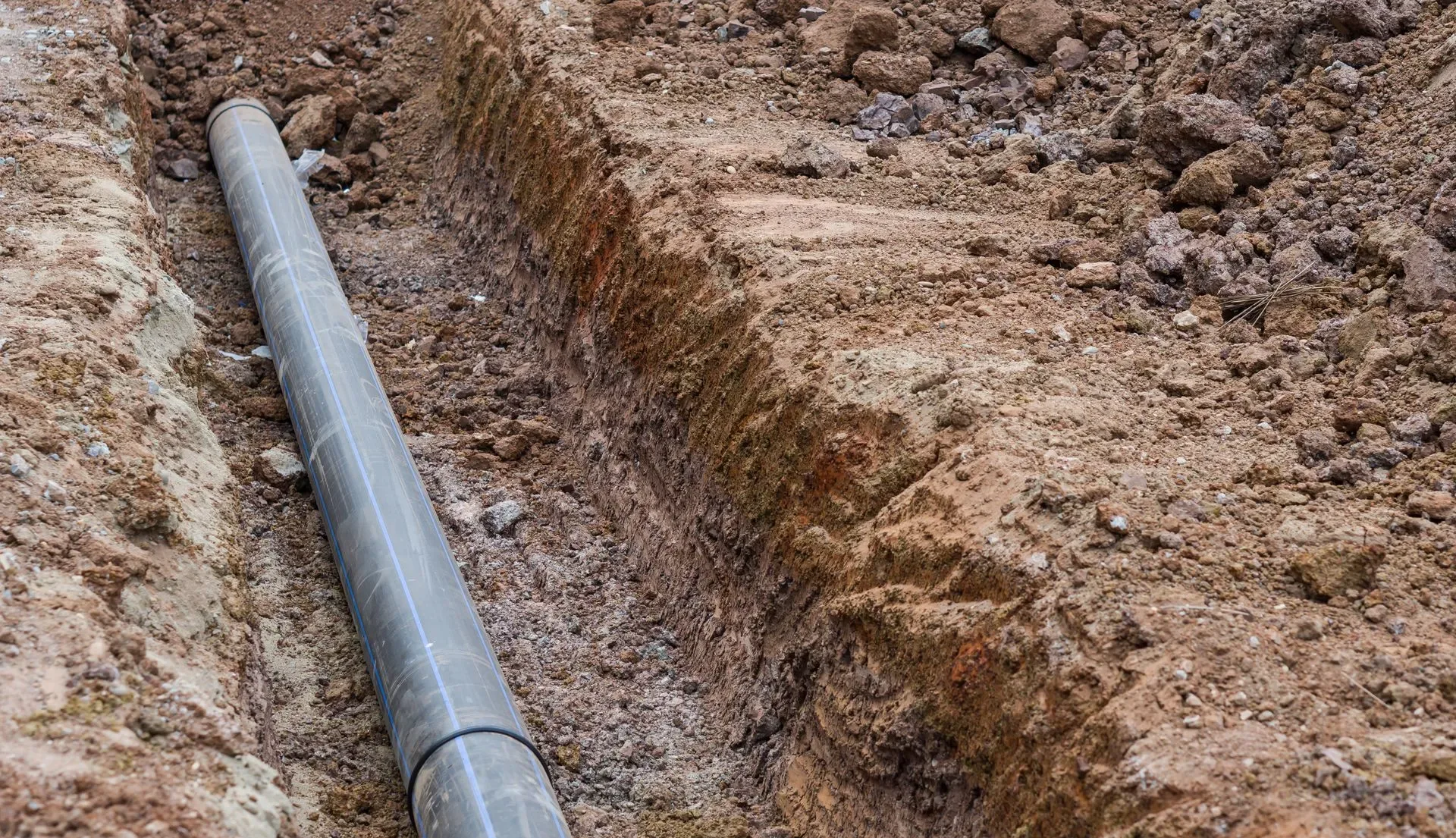
When water sits where it should not, the whole yard can feel like hard work. Coastline Earthworks provides drainage trenching and site preparation across the Gold Coast, Logan and Brisbane, helping homeowners, landscapers and builders set up reliable stormwater and drainage runs.
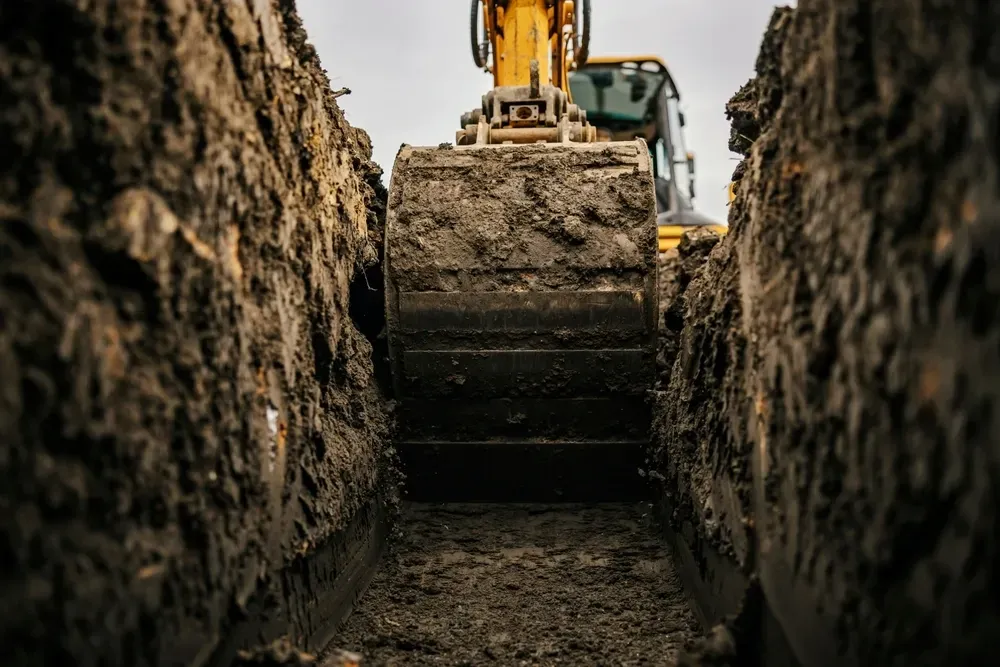
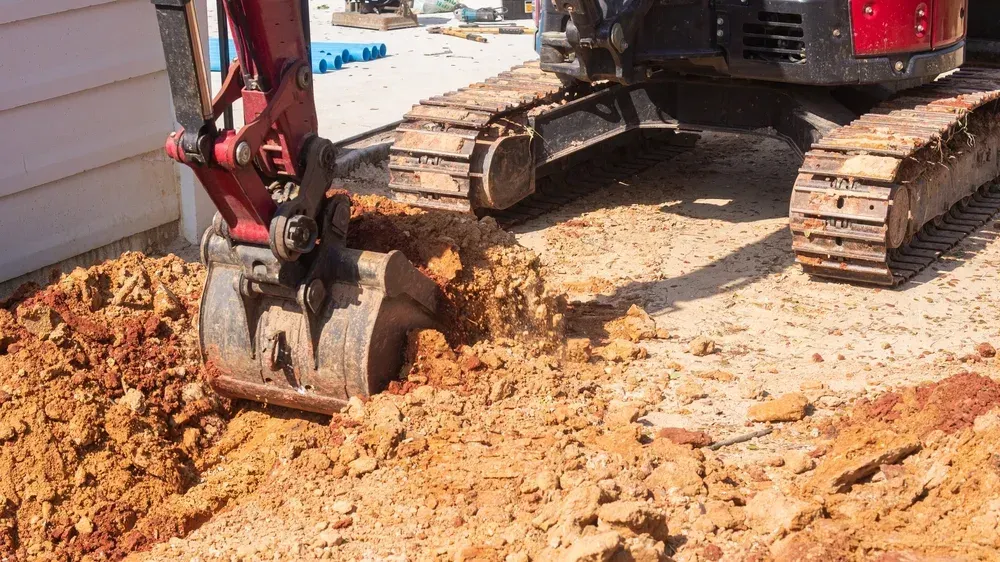
We excavate clean trench lines for pipes and pits, shape the base to support the install and keep spoil managed so access stays safe and tidy. With tight-access machines we work in confined side passages and backyards, making it easier to fix problem areas without tearing the place apart.
Call 0416 956 182 to talk through your drainage job and organise a quote.
Send Us a Message
Fill in the form below and the Coastline Earthworks team will be in touch shortly.
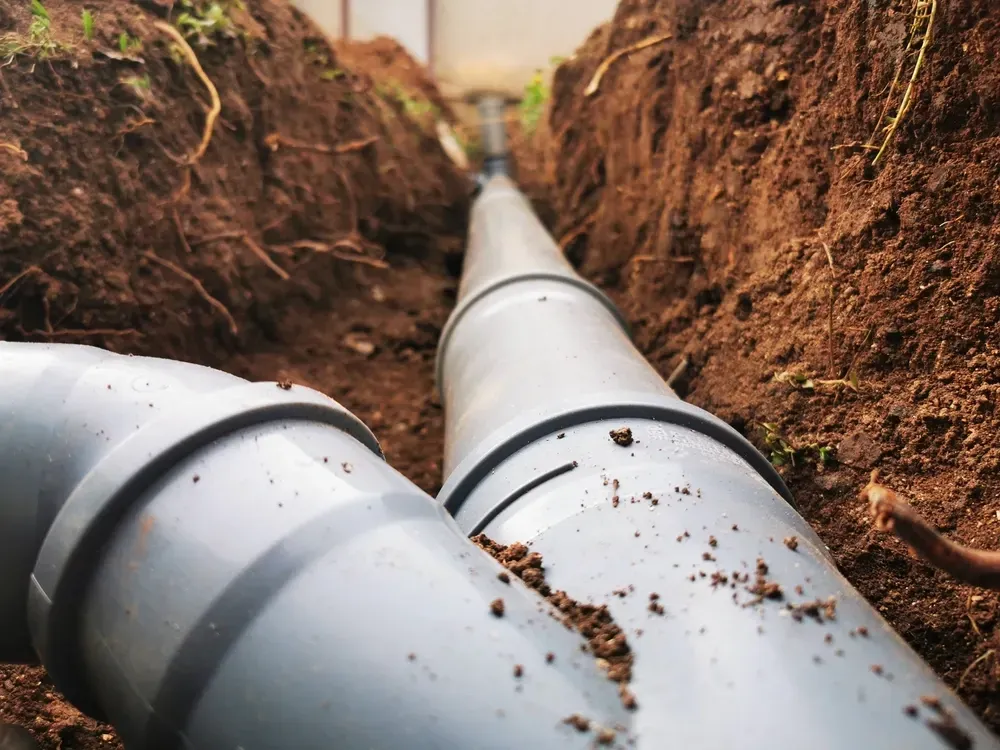
Practical Falls & Neat Trenching
Good drainage is about more than digging a channel and hoping for the best. The trench needs consistent depth, sensible fall and a stable base so the system can be laid correctly and backfilled without movement.
We plan around existing ground levels, likely flow paths and where water needs to go, then excavate with control so the next stage is straightforward. For residential sites, keeping trenches neat also reduces reinstatement time across lawns, garden beds and paved areas.
If you are linking new drainage into other works like earthmoving, turfing preparation or retaining walls, doing it in the right order saves a lot of rework later.
Frequently Asked Questions
Common signs include water pooling after rain, soggy patches that never dry, soil erosion, muddy side access and damp areas near the house slab. You may also see water flowing back towards structures instead of away. Checking surface falls and downpipe discharge points helps pinpoint where water is being trapped.