Retaining Walls on the Gold Coast
Retaining Walls Built to Last
A sloping yard can steal usable space and cause ongoing washouts if the soil is not properly supported. Coastline Earthworks builds retaining walls across the Gold Coast, Logan and Brisbane, creating practical, tidy boundaries that make landscaping and construction much easier.
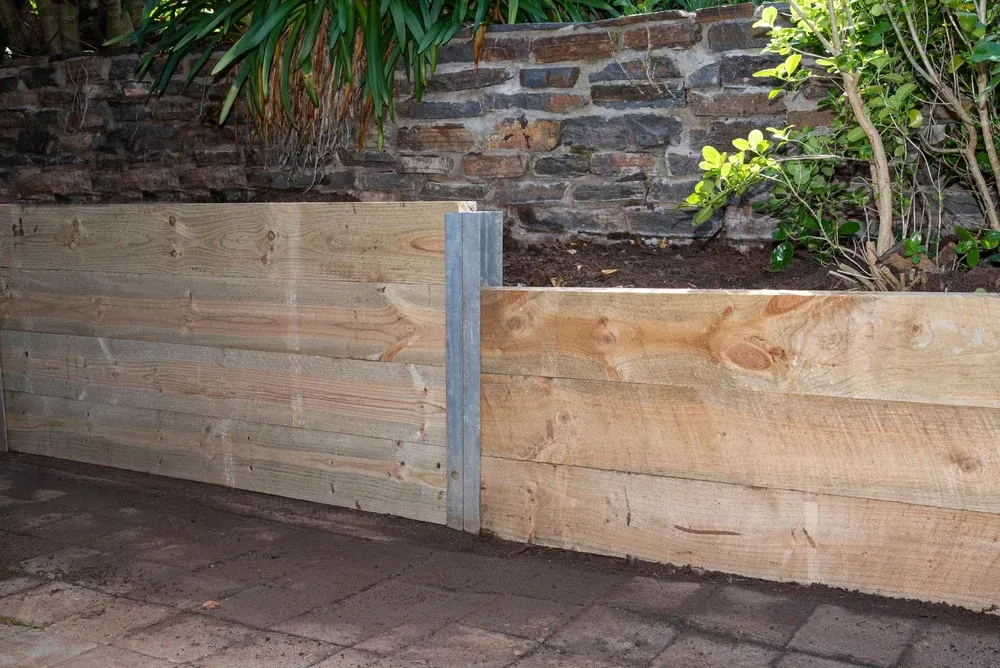
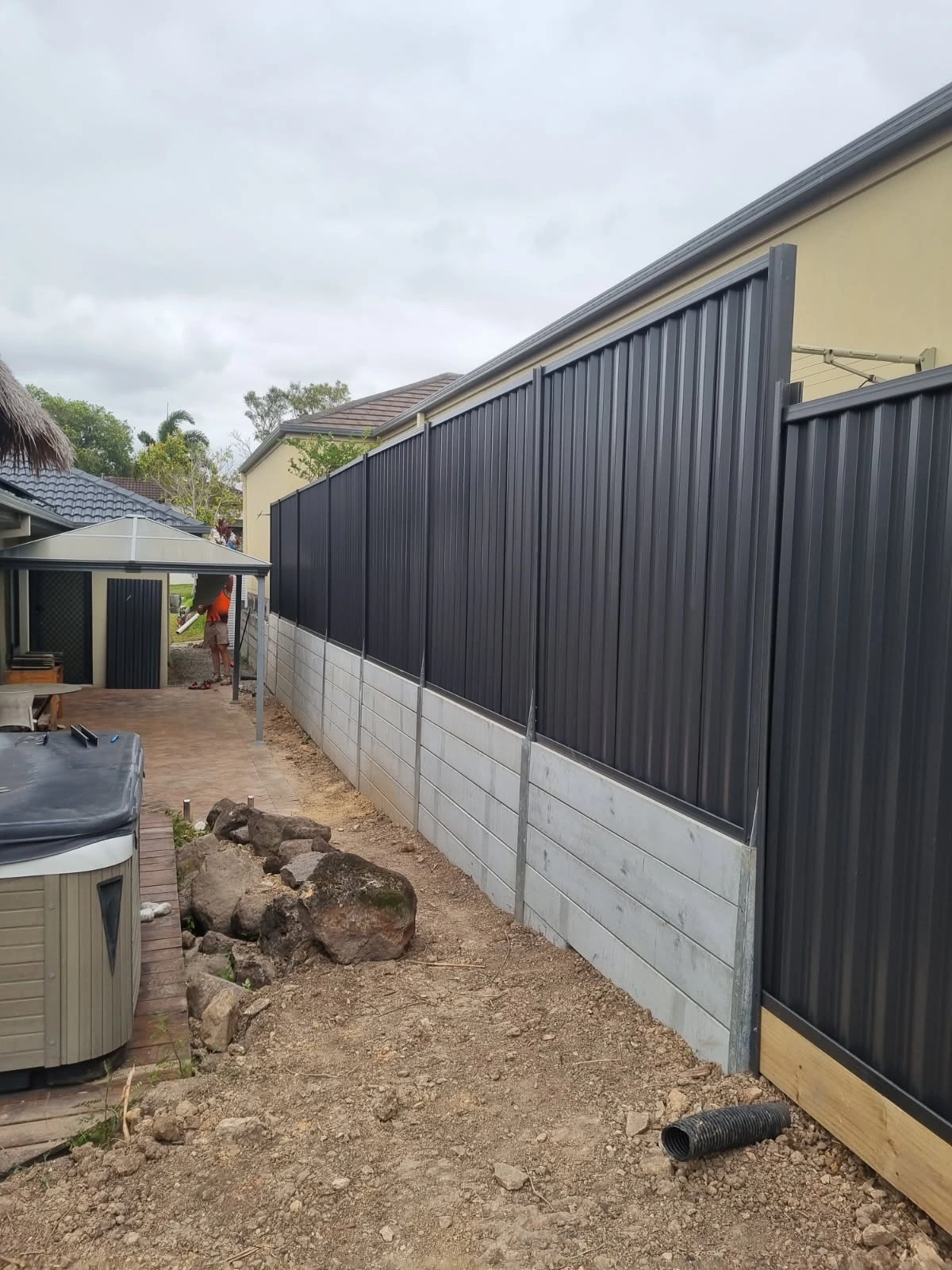
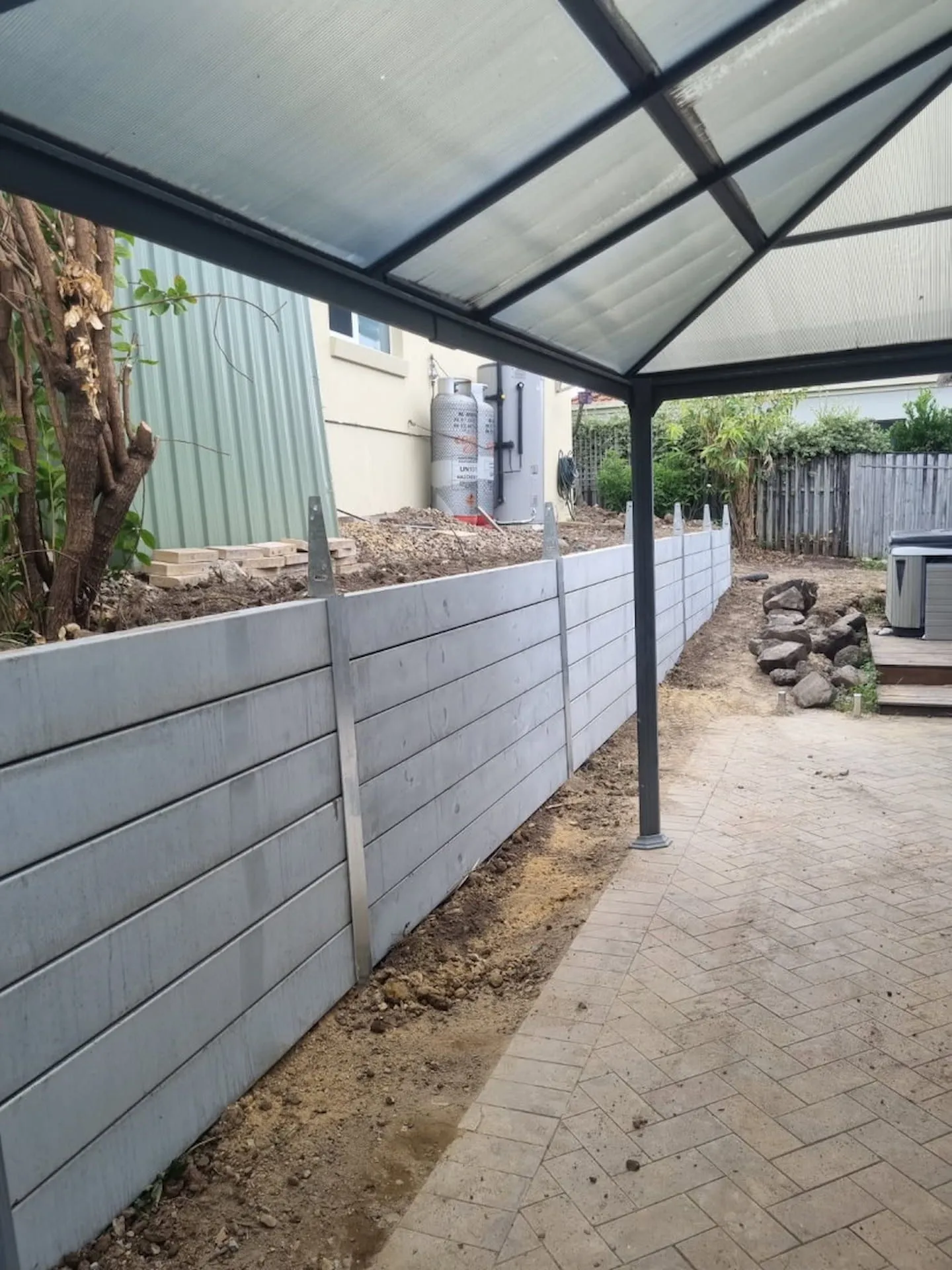
With a QBCC Licence in Landscape Construction, we are licenced to build up to 1 metre in height. We construct retaining walls using concrete sleepers or composite sleepers.
From set-out and excavation through to backfill preparation and a clean finish, the focus stays on stability, drainage planning and getting levels right so the area looks sharp and works properly.
Call 0416 956 182 to organise a retaining wall quote.

Send Us a Message
Thank you for contacting Coastline Earthworks.
We will get back to you as soon as possible.
Oops, there was an error sending your message.
Please try again later.
Frequently Asked Questions
How do I know if my retaining wall is failing?
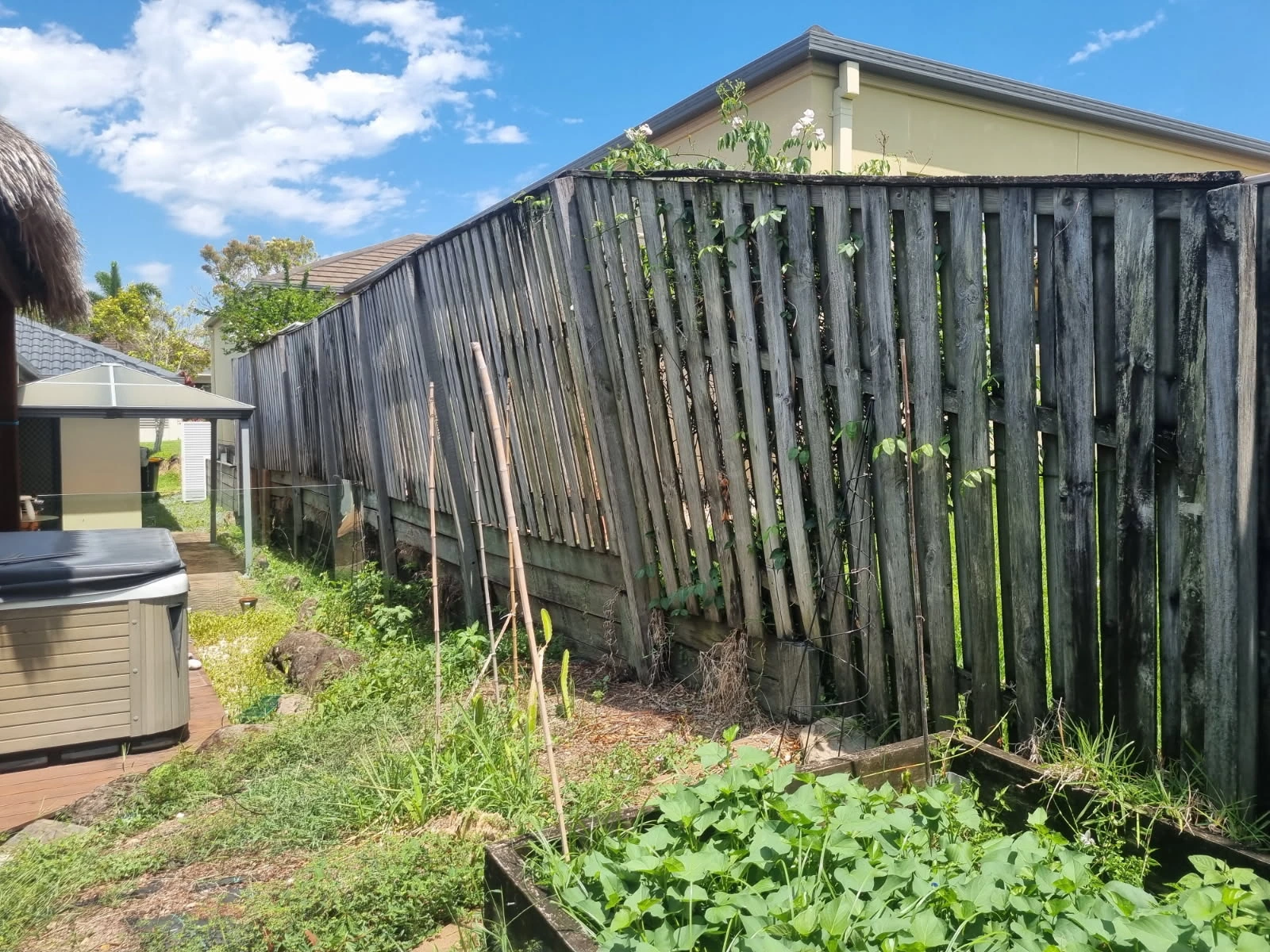
Warning signs include bulging, leaning, cracking, gaps opening between sleepers, soil washing out and water constantly pooling near the wall. You might also notice sections sinking or posts moving out of line. Early inspection matters because small shifts can worsen after heavy rain and make repairs harder.
Do I need drainage behind a retaining wall?
Yes, drainage is critical because water pressure can build up behind the wall and cause movement, leaning or failure. Good practice includes free-draining backfill, an ag pipe connected to a lawful discharge point and weep holes where suitable. Surface water should also be directed away from the wall.
What is the best material for a retaining wall?
The best material depends on the look you want, site conditions and the wall’s purpose. Composite sleepers suit a natural garden style and can be easier to match with timber landscaping. Concrete sleepers provide a consistent finish and strong durability. Both still need a proper base and drainage.
Why are retaining walls used on residential properties?
Retaining walls are commonly used to manage sloping land, prevent soil movement and create more usable outdoor areas around residential properties. Many Gold Coast homes are built on blocks with uneven ground, making retaining walls a practical solution for improving stability and maximising space. Retaining walls can help create level sections for lawns, gardens, pathways and entertaining areas while also supporting drainage and erosion control. They are often included as part of landscaping and earthmoving projects to improve both functionality and appearance. Proper planning and construction are important to ensure the wall suits the site conditions and performs effectively over the long term.
What happens during retaining wall construction?
Retaining wall construction usually begins with site preparation and excavation to create a stable foundation for the wall. The area is carefully measured and levelled before the retaining wall materials are installed. On Gold Coast residential properties, compact machinery is often used to complete excavation and preparation work efficiently, especially where access is limited. Drainage is also commonly included during construction to help manage water behind the wall and improve long-term stability. Once the wall structure is installed, the area is backfilled and cleaned up ready for landscaping or finishing works. Proper construction helps ensure the retaining wall remains durable and structurally sound over time.
Can retaining walls improve drainage on a property?
Yes, retaining walls can assist with drainage when they are designed and installed correctly. Many retaining wall projects include drainage systems behind the wall to help redirect water and reduce pressure building up in the soil. Across the Gold Coast, drainage is an important consideration because heavy rainfall can affect sloping blocks and outdoor areas. Retaining walls may also help reshape the landscape to improve water runoff and reduce erosion problems around the property. Proper excavation, grading and drainage preparation all contribute to the performance of the retaining wall. Planning drainage carefully during construction helps improve the stability and lifespan of the finished structure.
Are retaining walls suitable for small backyards?
Retaining walls can be an excellent solution for small backyards because they help create more usable and level outdoor space. Compact retaining wall designs are commonly used on Gold Coast residential properties where sloping land or limited access makes landscaping more challenging. By holding back soil and creating defined levels, retaining walls can improve the layout of gardens, lawn areas and pathways while making the property easier to use and maintain. Compact excavation machinery also allows retaining wall work to be completed efficiently in tighter spaces. Proper planning helps ensure the retaining wall suits the available space while still providing strength, drainage support and a clean finished appearance.
How long do retaining walls typically last?
The lifespan of a retaining wall depends on the materials used, the quality of construction and how well drainage has been managed behind the wall. Concrete sleeper and composite sleeper retaining walls are popular on the Gold Coast because they are durable, low maintenance and resistant to weather conditions. Proper excavation, foundation preparation and drainage installation all play a major role in how long the retaining wall performs effectively. Poor drainage or unstable foundations can shorten the lifespan of the structure over time. When built correctly by experienced professionals, retaining walls can provide long-lasting support and remain stable and functional for many years.

Neater Levels & More Space
A good retaining wall does more than hold soil back, it turns awkward ground into usable areas for lawns, garden beds and pathways. The key is getting the wall line, height and base preparation right, then allowing for drainage behind the wall so water does not build up pressure over time.
Retaining work also needs to suit what is happening around it, like access paths, fences and existing landscaping, so the wall sits naturally within the yard. When the wall is planned properly, the finished area is easier to maintain and future projects like turfing and paving become far simpler.
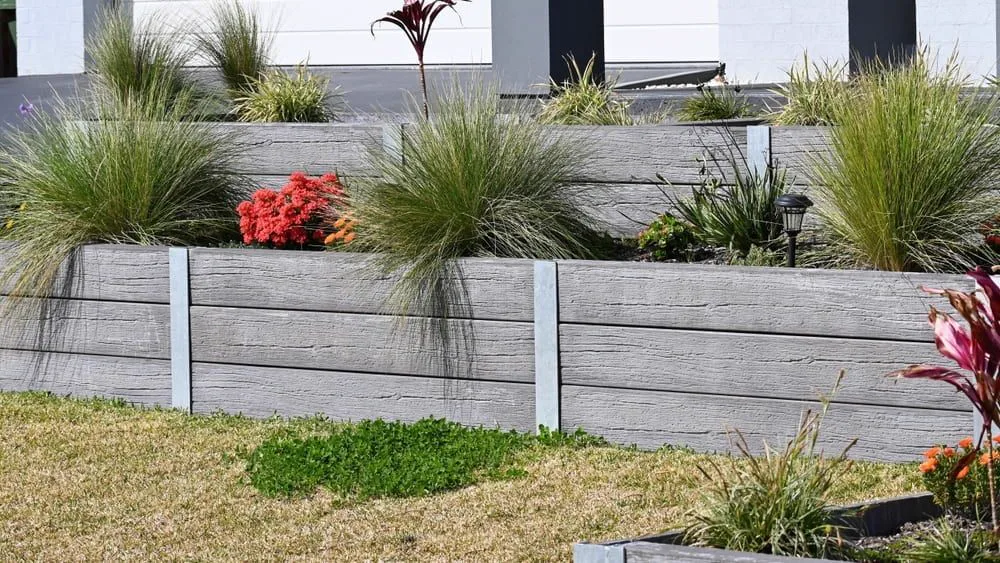
Composite Sleepers Vs Concrete Sleepers
Composite sleepers suit traditional landscaping looks and can blend neatly with gardens and timber features. They are a solid choice for many residential yards, especially where you want a warm, natural finish.
Concrete sleepers offer a more uniform look and are often chosen for clean modern lines and long-term durability. The right option depends on the style you want, the site conditions and how the wall will tie into the rest of the landscaping.